
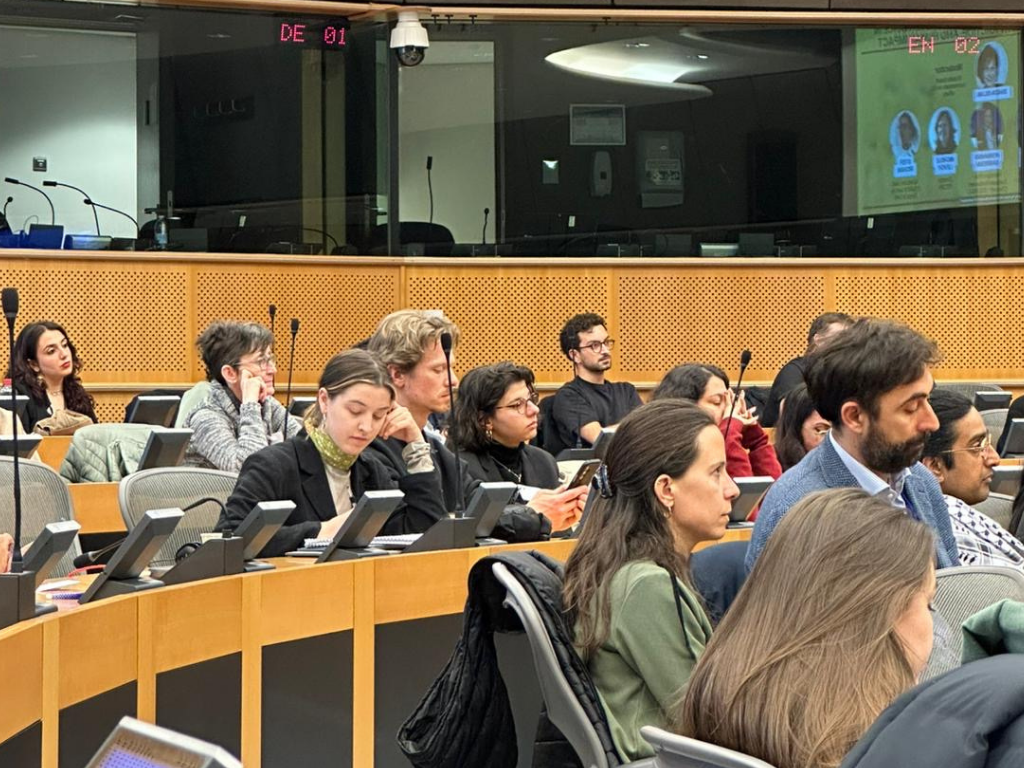
Notes from the launch of ENAR’s report “Raceless in Name Only: Whiteness and the Racial Governance of Mobility in the European Union” at the European Parliament
“Borders do not only divide territories.
They also decide whose life is treated as legitimate.”
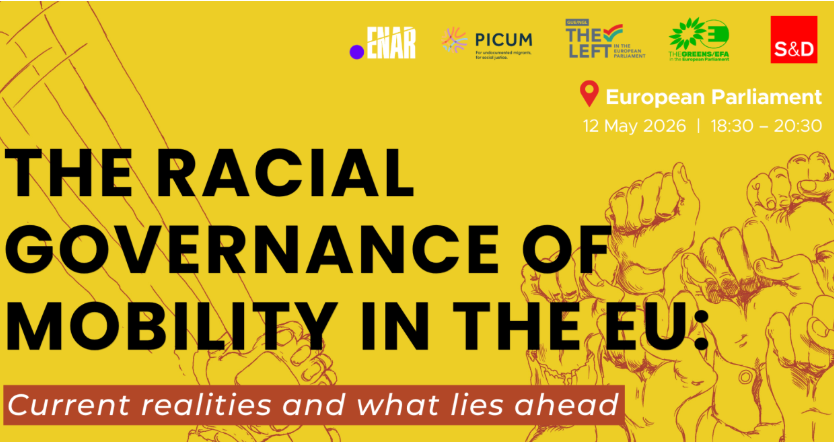
One of the strongest points of the event was that European migration governance is not only about laws, borders, or procedures.
It is also about racialised hierarchies that shape who is perceived as legitimate, familiar, and deserving of protection.
In this sense, migration policy does not treat all movement equally. It often reflects deeper assumptions about whose mobility is welcomed, whose presence is questioned, and whose humanity must constantly be proven.
For racialised migrants and communities, the border can continue long after arrival. It appears in everyday spaces: in streets, hospitals, schools, housing, workplaces, and bureaucratic encounters.
Racial profiling, detention, deportation, pushbacks, and the production of precarity are not simply isolated failures. They are part of a broader system that controls mobility, belonging, and access to rights.
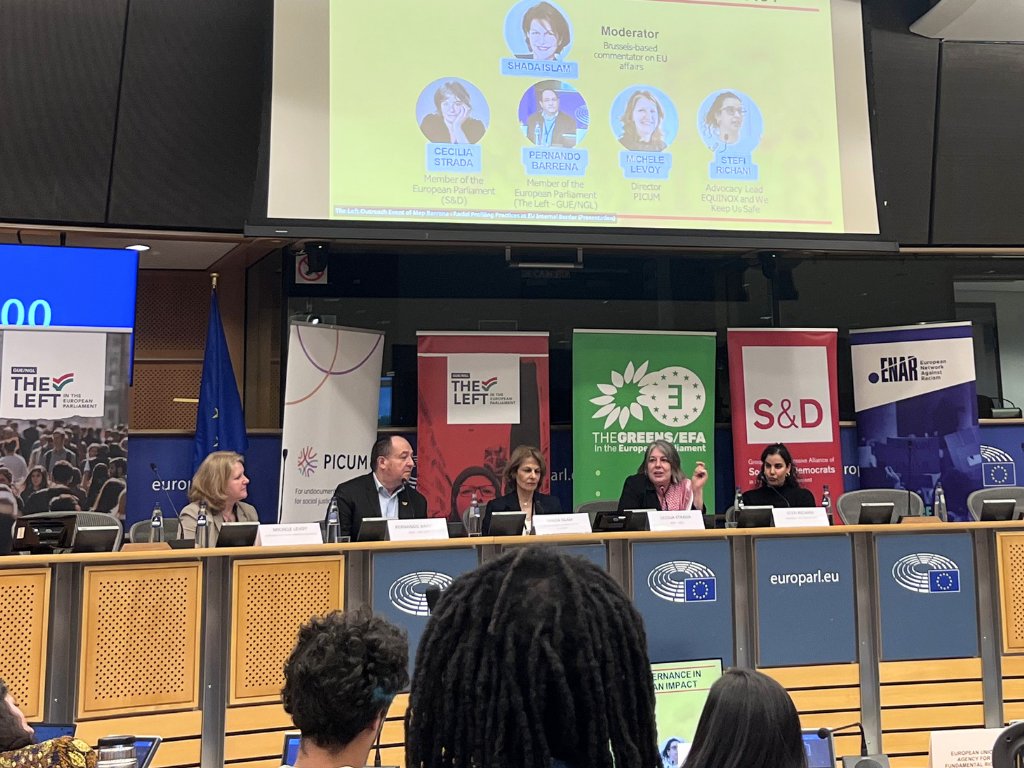
This is also a question of democracy. When racialised migration control becomes normalised, and when anti-racist or migrant-led organisations are defunded, delegitimised, or criminalised, migration policy becomes more than a border issue. It becomes a question of rights, solidarity, and the future of democratic belonging in Europe.
Migration is never only about movement. It is also about who is allowed to belong, who is made suspicious, and whose life is treated as legitimate.
“Borders divide territories, but they also shape lives.”